Explore Kilkenny City, Ireland, in 2026! Uncover historical sites, vibrant festivals, and plan your ideal trip to this charming medieval city.
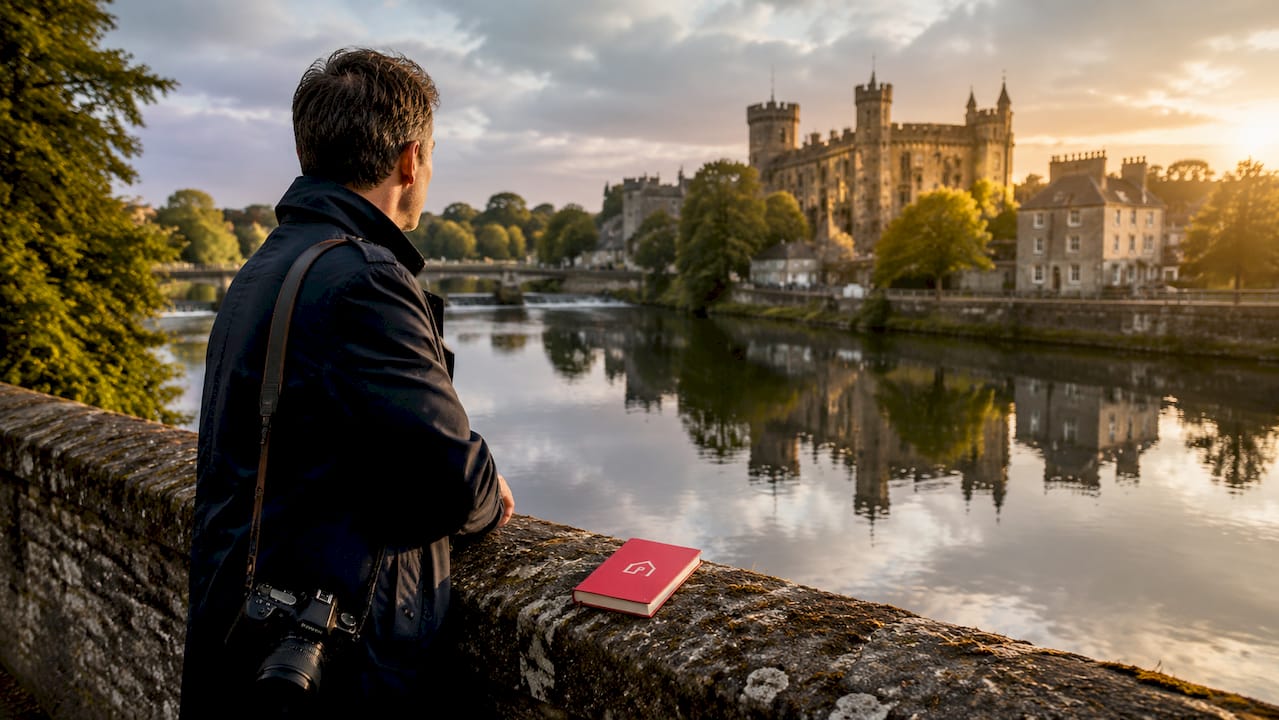
Kilkenny City, Ireland is a medieval city built on the banks of the River Nore, roughly 90 minutes from Dublin and serving as the seat of County Kilkenny. Known affectionately as the Marble City, it packs a remarkable amount of history, culture, and character into a compact, walkable centre. Kilkenny Castle anchors the skyline, the Medieval Mile connects centuries of architecture, and festivals like the Cat Laughs Comedy Festival fill the streets with life. Whether you are planning a weekend break or a longer stay, this guide covers everything you need to know before you arrive.
What are the top historical attractions in Kilkenny City?
Kilkenny's historical attractions are among the finest in Ireland, and most sit within easy walking distance of one another. That proximity means you can visit several major sites in a single morning without rushing.
Kilkenny Castle
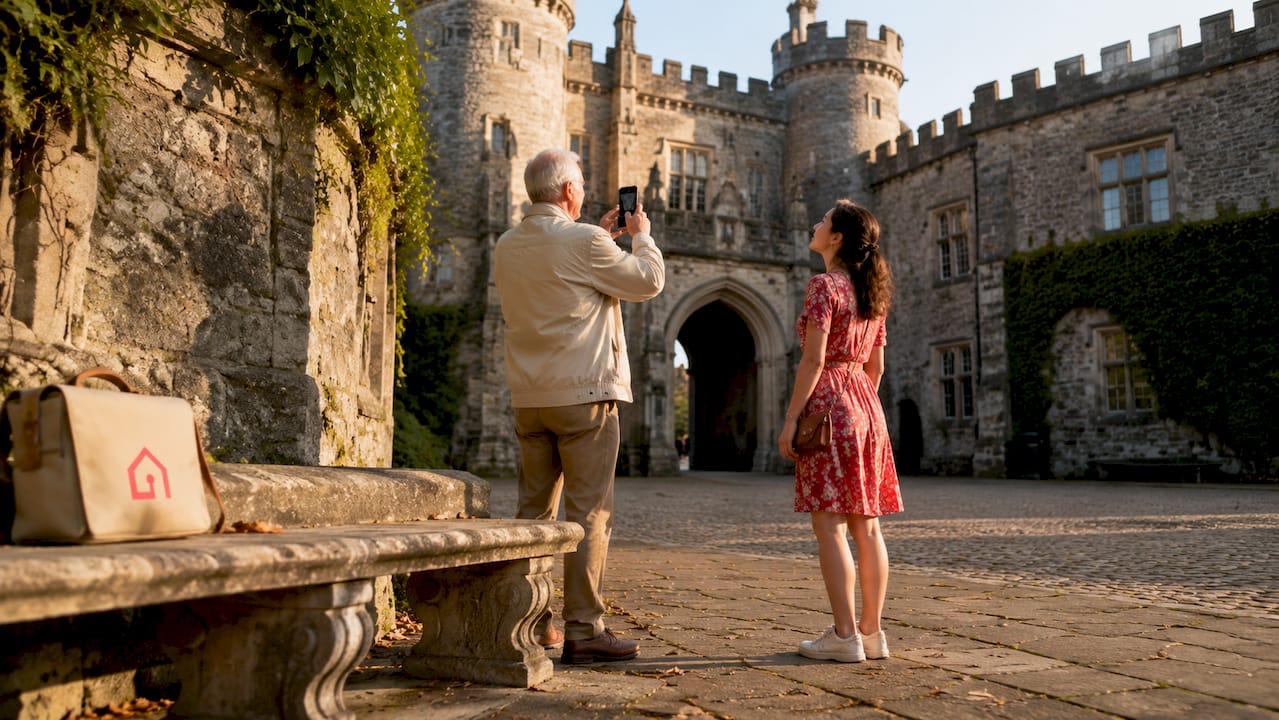
Kilkenny Castle was founded in 1195 and shaped for centuries by the powerful Butler family, who gave it to the city in 1967 for just £50. That transfer is one of the most remarkable acts of civic generosity in Irish history. The castle grounds are free to enter, making them a popular spot for a stroll at any time of year. The interior requires a ticket, but a free 15-minute film on 500 years of Irish history plays in the South Tower and is well worth your time before exploring the rooms.
The Medieval Mile and its hidden gems
The Medieval Mile is a preserved historical district linking Kilkenny Castle with St. Canice's Cathedral. It is not simply a straight road. The route winds through narrow alleys, past the Black Abbey, and alongside Rothe House, a rare surviving example of a Tudor merchant's townhouse. The Medieval Mile Museum sits at the heart of this district and tells the story of the city through artefacts and interactive displays. Visitors who slow down and explore the side lanes often find the most rewarding details.
St. Canice's Cathedral and the Round Tower
St. Canice's Cathedral is one of Ireland's finest medieval churches, and the Round Tower beside it is genuinely special. Climbing it involves across seven floors, and the views from the top are panoramic. It is one of only two such towers open to visitors in Ireland. That rarity alone makes it worth the effort.
Related Topics
#kilkenny city ireland#best hotels in Kilkenny#Kilkenny city attractions#things to do in Kilkenny#Kilkenny travel guide#Kilkenny city history
Pro Tip:The Round Tower climb is physically demanding. The ladders are steep and the spaces are narrow. If you have any concerns about heights or mobility, check with the cathedral staff before you commit.
Here is a quick summary of the key historical sites:
Kilkenny Castle: Grounds free; interior ticketed; free film in the South Tower
Medieval Mile Museum: Central location; strong on local history and artefacts
St. Canice's Cathedral: Active cathedral; Round Tower climb available for a small fee
Black Abbey: Dominican friary dating to 1225; free to enter
Rothe House: Tudor merchant house; now a museum and genealogy centre
What cultural experiences make Kilkenny City unique?
Kilkenny's cultural life extends well beyond its medieval walls. The city has built a reputation as one of Ireland's most creative and sociable destinations, and that reputation is earned.
The Cat Laughs Comedy Festival takes place over the june bank holiday weekend each year, drawing international stand-up performers to venues across the city. It transforms Kilkenny's already lively pub scene into something genuinely electric. If you are visiting in early june, book accommodation well in advance.
The pub and live music scene operates year-round. Kilkenny's traditional pubs are not tourist facades. Locals drink in them, musicians play in them, and the sessions often run late into the night. Pubs like Kyteler's Inn, one of Ireland's oldest, add a layer of history to a pint of Kilkenny ale.
The artisan and craft scene is equally strong:
National Craft Gallery: Located in the Castle Yard; free entry; showcases contemporary Irish craft
Kilkenny Design Centre: Beside the castle; sells high-quality Irish design and gifts
Local food markets: The Kilkenny Farmers' Market runs on thursdays and saturdays near the city centre
Kilkenny is also popular for stag and hen parties, which gives the city a lively weekend atmosphere. If you prefer something quieter, nearby villages like Bennettsbridge and Graiguenamanagh offer a gentler pace along the River Nore. Both are worth a half-day trip.
What should visitors know about accommodation and getting to Kilkenny?
Planning your stay in Kilkenny is straightforward, but a few practical points will save you time and money.
Book early for festival weekends. Accommodation fills quickly around the Cat Laughs Festival in june and the Kilkenny Arts Festival in august. The city has a good range of hotels, guesthouses, and self-catering options, but availability drops fast during peak events.
Stay in or near the city centre. Kilkenny's compact walkable centre means a central location puts you within minutes of the castle, the Medieval Mile, and the main pubs. You do not need a car once you are there.
Getting there from Dublin is easy. Bus Éireann and Dublin Coach both run regular services from Dublin city centre and Dublin Airport to Kilkenny. The journey takes roughly 90 minutes by road. If you are driving, the M9 motorway connects Dublin to Kilkenny directly.
Car parking is available. Several car parks sit close to the city centre, including at the Kilkenny Castle grounds area. Parking is generally straightforward outside peak summer weekends.
Understand rental costs before you commit. If you are planning a longer stay or relocating to the area, it helps to understand Irish rental pricing before you search. Kilkenny is more affordable than Dublin, but demand for quality properties is steady.
Consider Kilkenny as a base. The city sits within easy reach of Waterford, Carlow, and Tipperary. It works well as a base for exploring the south-east of Ireland over several days.
How should you plan your trip to Kilkenny City?
A well-planned visit to Kilkenny rewards you far more than an unplanned one. The city is compact, but there is more to see than a single rushed day allows.
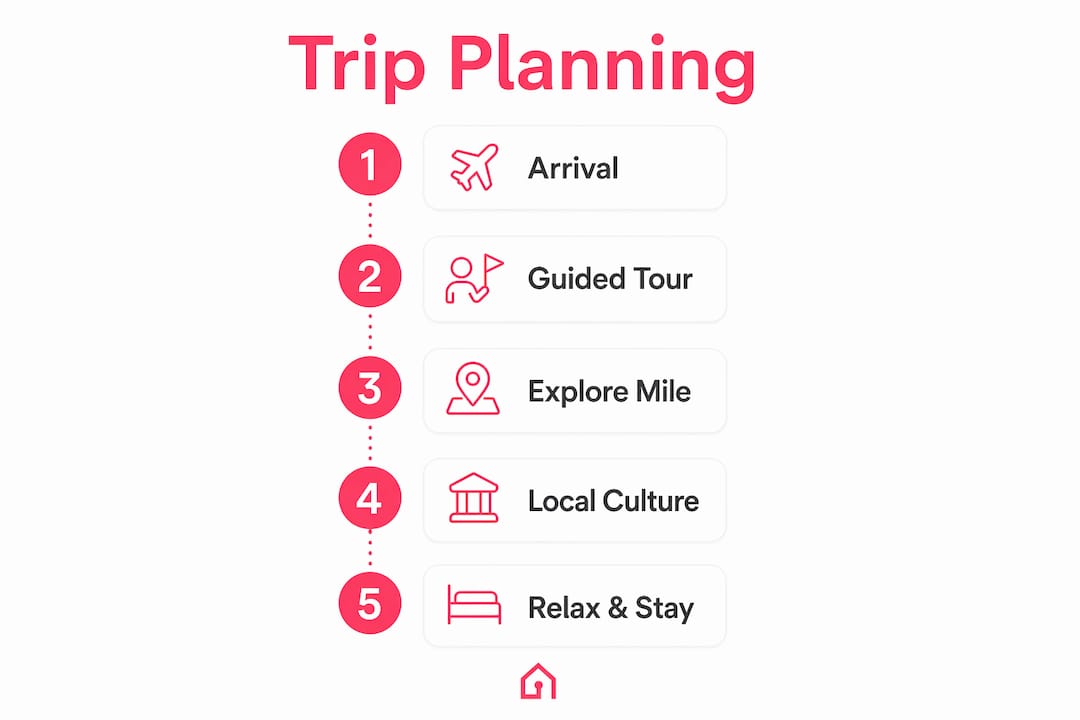
Recommended duration: One to two days covers the main attractions comfortably. Two days lets you explore the Medieval Mile thoroughly, climb the Round Tower, visit the castle interior, and still have time for an evening in a traditional pub. Three days gives you space to take a day trip to a nearby village.
Guided walking tours depart from the castle gates and cover the Medieval Mile, the hidden alleys, and the key historical buildings. These tours are particularly useful for first-time visitors because the guides explain context that signage alone cannot provide. A road train tour also operates in summer for those who prefer a seated overview before exploring on foot.
Pro Tip:Walk the Medieval Mile twice: once on a guided tour to absorb the history, and once alone at your own pace to notice the details you missed. The hidden lanes between the main streets are where Kilkenny's real character lives.
The table below gives a practical overview of the key attractions:
Attraction
Opening times
Entrance fee
Kilkenny Castle grounds
Daily, year-round
Free
Kilkenny Castle interior
Seasonal; check ahead
Ticketed
Medieval Mile Museum
Daily
Ticketed
St. Canice's Cathedral
Daily
Free (tower ticketed)
National Craft Gallery
Tuesday to Saturday
Free
Black Abbey
Daily
Free
Hurling is Kilkenny's sport, and the county is one of the most decorated in the All-Ireland Championship. If a match falls during your visit, attending or watching it in a local pub is one of the most authentic cultural experiences the city offers. Food options have also improved significantly in recent years, with several restaurants near the castle serving modern Irish cuisine using local produce.
Key takeaways
Kilkenny City rewards visitors who slow down, plan ahead, and look beyond the obvious sights to find the layers of history and culture that make it genuinely special.
Point
Details
Medieval heritage is the core draw
Kilkenny Castle, the Medieval Mile, and St. Canice's Cathedral are all within easy walking distance.
The Round Tower is a rare opportunity
Only two such towers are open to visitors in Ireland; the climb involves 121 steps on internal ladders.
Book early for festival periods
The Cat Laughs Festival in june and the Kilkenny Arts Festival in august fill accommodation fast.
Two days is the ideal minimum stay
One day is possible but rushed; two days lets you explore the Medieval Mile and surrounding pubs properly.
Nearby villages offer a quieter contrast
Bennettsbridge and Graiguenamanagh provide a calmer experience just a short drive from the city.
Why Kilkenny stays with you long after you leave
Kilkenny is one of those Irish cities that people visit once and return to repeatedly. Having spent time there across different seasons, what strikes me most is how the city manages to feel genuinely lived-in rather than preserved for tourists. The pubs are full of locals. The craft shops are run by makers, not retailers. The hurling conversation is real.
The mistake most visitors make is treating Kilkenny as a half-day stop between Dublin and Cork. That approach gets you the castle exterior and a quick walk down the high street. It misses almost everything worth knowing. The Medieval Mile's hidden alleys, the climb up the Round Tower at dawn, the Thursday market, the quiet of St. Canice's Cathedral on a weekday morning: these are the experiences that stay with you.
My honest view is that Kilkenny works best when you resist the urge to tick off a list. The city is small enough that wandering without a plan is productive. You will find a medieval archway you were not expecting, or a pub session that was not in any guide. That is the version of Kilkenny worth experiencing.
If you are thinking about a longer stay or even a relocation to the south-east, Kilkenny is worth considering as a rental base in Ireland. It offers a quality of life that larger Irish cities rarely match at the same price point.
— Hauzed
Kilkenny City accommodation: finding a safe place to stay
Finding accommodation in Kilkenny City is straightforward for short visits, but longer stays and rentals require more care. Ireland's rental market can be competitive, and anonymous channels carry real risks: fake listings, unverified landlords, and slow or no replies are common frustrations.
Hauzed is a trust-first rental marketplace built for Ireland. Tenants can search verified listings, build a stronger rental profile, and connect with landlords through a secure platform rather than through fragmented WhatsApp messages or social media groups. Landlords benefit from verified tenant interest and AI tools that reduce the manual work of managing enquiries.
Whether you are planning a short-term stay or looking for a longer rental in Kilkenny or elsewhere in Ireland, safe, verified renting through Hauzed gives you a clearer, more organised process from the start.
FAQ
What is Kilkenny City known for?
Kilkenny City is known as the Marble City and is famous for its medieval heritage, including Kilkenny Castle, the Medieval Mile, and St. Canice's Cathedral. It is also celebrated for the Cat Laughs Comedy Festival and a strong artisan craft scene.
How long does it take to get from Dublin to Kilkenny?
The journey from Dublin to Kilkenny takes approximately 90 minutes by road via the M9 motorway. Regular bus services also connect Dublin city centre and Dublin Airport to Kilkenny.
Is the Round Tower at St. Canice's Cathedral worth climbing?
The Round Tower is one of only two such towers open to visitors in Ireland and offers panoramic views from the top. The climb involves 121 steps on internal ladders across seven floors, so it is physically demanding but genuinely rewarding.
Is Kilkenny Castle free to visit?
The castle grounds are free to enter year-round. The interior requires a ticket, but a free 15-minute historical film is available in the South Tower for visitors who want an introduction without paying for the full tour.
How many days do you need in Kilkenny?
One to two days covers the main Kilkenny city attractions comfortably. Two days is the recommended minimum if you want to explore the Medieval Mile properly and experience the evening pub scene.